
As a teacher, walking into a classroom buzzing with energy can feel like stepping into a whirlwind. Papers are flying, voices are rising, and the focus you so desperately need for a productive lesson seems to have vanished into thin air. I’ve been there—standing at the front of the room, trying to wrangle a group of students whose minds are everywhere but on the task at hand. It’s exhausting, isn’t it? But over the years, I’ve learned that chaos in the classroom doesn’t have to be the norm. With a few practical, intentional steps, you can create an environment where focus thrives, and both you and your students feel calm and ready to learn.
In this post, I’m sharing four practical steps to calm classroom chaos and boost focus. These strategies are rooted in real-world experience, tested in classrooms just like yours, and designed to help you reclaim control without resorting to shouting or frustration. Whether you’re a new teacher or a seasoned educator looking for fresh ideas, these steps will help you create a classroom that feels like a sanctuary for learning. Let’s dive in!
Why Classroom Chaos Happens (And Why It’s Not Your Fault)
Before we get to the solutions, let’s take a moment to understand why classrooms can feel so chaotic. Kids are naturally energetic, curious, and, let’s be honest, sometimes a little impulsive. Add in external factors like overstimulation from screens, lack of sleep, or even just the excitement of a new day, and it’s no wonder focus can be hard to come by. As teachers, we often blame ourselves when things spiral out of control, but the truth is, chaos is often a symptom of systems that need tweaking, not a reflection of your teaching skills.
The good news? You can create systems and routines that channel that energy into productive learning. By setting clear expectations, fostering a sense of calm, and building habits that encourage focus, you can transform even the most chaotic classroom into a space where students thrive. Here are four practical steps to get you there.
Step 1: Create a Predictable Routine to Anchor the Day
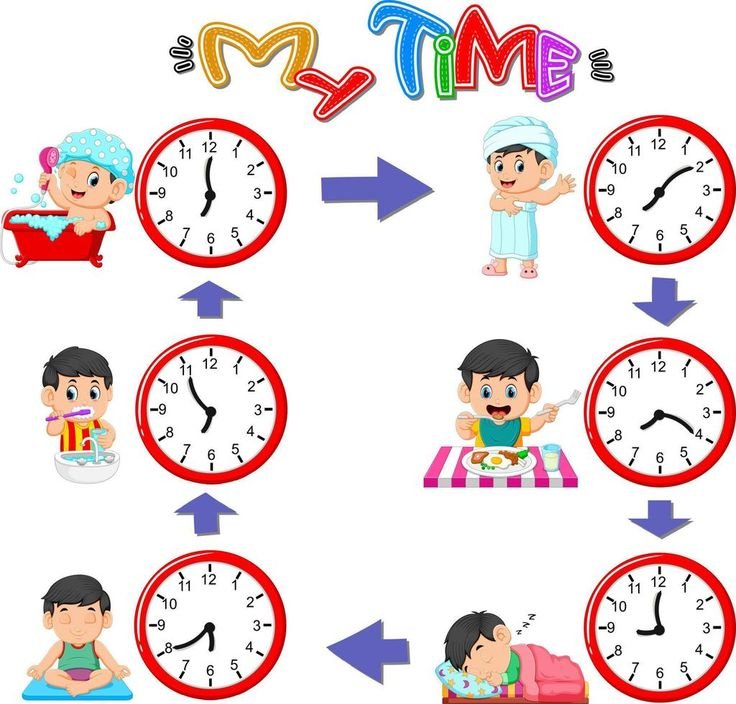
One of the biggest culprits behind classroom chaos is unpredictability. When students don’t know what to expect, they’re more likely to get restless or act out. A predictable routine acts like an anchor, giving students a sense of security and helping them transition smoothly between tasks.
How to Build a Routine That Works
Start by mapping out your day with clear, consistent segments. For example, you might begin with a five-minute morning meeting to set the tone, followed by a focused work period, a brain break, and then another block of learning. The key is consistency—students should know what’s coming next without you having to explain it every day.
Here’s how I set up my routine in my fifth-grade classroom:
- Morning Check-In (5-10 minutes): We start with a quick circle time where students share one thing they’re excited about or a goal for the day. This builds community and helps everyone settle in.
- Focused Work Blocks (20-30 minutes): I break lessons into manageable chunks to keep attention spans sharp. Each block ends with a clear wrap-up, like a quick review or a turn-and-talk.
- Brain Breaks (5 minutes): A short stretch, dance, or mindfulness activity helps reset energy levels.
- Reflection Time (5 minutes): At the end of the day, we reflect on what went well and what we’ll work on tomorrow.
Tips for Success
- Post the Schedule: Display a visual schedule on the board or a poster. For younger students, use pictures or icons to make it accessible.
- Practice Transitions: Teach students how to move from one activity to the next. For example, use a countdown timer or a chime to signal the end of one task and the start of another.
- Be Flexible but Firm: Life happens, and sometimes you’ll need to adjust. But try to stick to the core routine as much as possible to build trust and predictability.
By creating a routine that students can rely on, you’re giving them a roadmap for the day. This reduces anxiety and minimizes opportunities for chaos to creep in.
Step 2: Use Mindfulness Techniques to Center Students
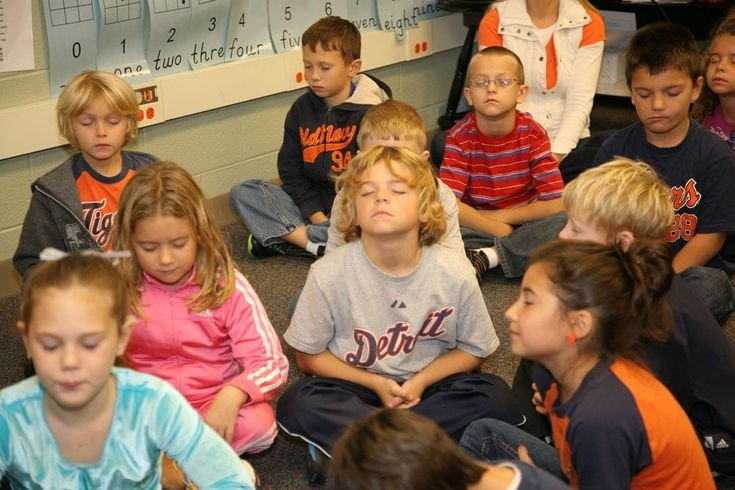
I’ll be honest—when I first heard about mindfulness in the classroom, I was skeptical. I pictured myself trying to get a room full of wiggly kids to sit still and meditate, and I nearly laughed out loud. But then I tried it, and let me tell you, it’s a game-changer. Mindfulness doesn’t have to mean silence or stillness—it’s about helping students become aware of their thoughts and emotions so they can self-regulate and focus.
Simple Mindfulness Practices for the Classroom
Here are a few mindfulness techniques that have worked wonders in my classroom:
- One-Minute Breathing: Start the day or a new lesson with a quick breathing exercise. Ask students to close their eyes (if they’re comfortable) and take five slow, deep breaths. Count aloud to guide them: “In, two, three, four… Out, two, three, four.” This helps calm their nervous systems and signals that it’s time to focus.
- Body Scan: During a brain break, guide students through a quick body scan. Ask them to notice how their feet feel on the floor, how their hands rest on their desks, or if their shoulders are tense. This helps them reconnect with their bodies and release pent-up energy.
- Gratitude Pause: Before a transition, ask students to think of one thing they’re grateful for. They can share it with a partner or keep it to themselves. This shifts their mindset to a positive place, making it easier to focus.
Why It Works
Mindfulness helps students regulate their emotions, which is especially important for those who come to school feeling stressed or overwhelmed. It also creates a shared moment of calm, signaling to the whole class that it’s time to reset and refocus. Over time, these practices become second nature, and students may even start reminding you to do them!
Pro Tip
If mindfulness feels awkward at first, start small. Try a 30-second breathing exercise and build from there. You can also frame it as a “focus challenge” to make it fun and engaging for students.
Step 3: Design a Classroom Environment That Promotes Focus
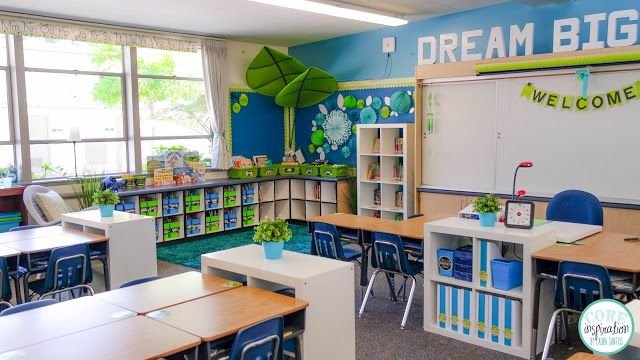
The physical space of your classroom plays a huge role in how focused (or distracted) your students are. A cluttered, noisy, or overly stimulating environment can make it nearly impossible for kids to concentrate. On the flip side, a well-organized, calming space can work wonders for classroom management.
How to Optimize Your Classroom Space
- Declutter Desks and Walls: Too many posters, decorations, or supplies can overwhelm students’ senses. Keep walls visually clean with only the most essential anchor charts or inspirational quotes. Encourage students to keep their desks tidy with a quick “desk check” before starting a focused task.
- Create a Calm Corner: Set up a small area with a beanbag, pillows, or a rug where students can go if they need a moment to regroup. Add a few calming tools like a stress ball, a mindfulness coloring sheet, or a feelings chart.
- Control Noise Levels: Use a noise meter (there are free apps for this!) to help students monitor their volume. You can also establish a signal, like raising your hand or flicking the lights, to bring the room back to quiet.
- Incorporate Natural Elements: If possible, add a plant or two to the classroom. Studies show that greenery can reduce stress and improve focus. Even a small potted plant on your desk can make a difference.
A Personal Story
Last year, I noticed my students were especially antsy during math block. I realized the fluorescent lights were harsh, and the room felt sterile. So, I brought in a few battery-powered string lights and draped them around the whiteboard. I also added a small plant to each group table. The difference was immediate—students commented on how “cozy” the room felt, and they were more settled during lessons. It wasn’t a huge change, but it made a big impact.
Step 4: Empower Students with Ownership and Accountability

One of the most powerful ways to reduce chaos is to give students a sense of ownership over their classroom. When kids feel like they have a stake in how things run, they’re more likely to take responsibility for their behavior and stay focused.
Ways to Foster Ownership
- Classroom Jobs: Assign roles like line leader, materials manager, or timekeeper. Rotate jobs weekly to keep things fair and give everyone a chance to contribute.
- Co-Create Class Rules: At the start of the year, sit down with your students to brainstorm a short list of class expectations. Keep it simple—three to five rules that everyone agrees on, like “Listen when others are speaking” or “Keep our space tidy.”
- Goal-Setting: Encourage students to set personal goals for focus or behavior. For example, a student might aim to “raise my hand before speaking” or “complete my math work without distractions.” Check in weekly to celebrate progress.
- Positive Reinforcement: Catch students being focused and acknowledge it. A simple “I love how Sarah is staying on task!” can motivate others to follow suit. Consider a class reward system, like earning points for a fun activity, to keep the momentum going.
Why It Works
When students feel like they’re part of the classroom’s success, they’re less likely to disrupt it. Ownership builds a sense of community and accountability, which naturally reduces chaos and boosts engagement.
A Word of Caution
Be mindful not to overburden students with too many responsibilities. The goal is to empower them, not stress them out. Keep jobs and expectations age-appropriate and manageable.
Putting It All Together: A Day in a Focused Classroom

Imagine this: You walk into your classroom, and instead of chaos, you’re greeted with a sense of calm. Students know the routine and move seamlessly from morning check-in to their first task. A quick mindfulness exercise helps everyone settle in, and the classroom’s cozy, organized vibe keeps distractions at bay. Students take pride in their roles, whether it’s passing out materials or leading a transition, and they’re motivated to stay on task because they feel like they’re part of something special.
This isn’t a pipe dream—it’s achievable with the steps above. Start by implementing one or two strategies and gradually add more as you and your students get comfortable. Over time, you’ll notice a shift: less chaos, more focus, and a classroom where everyone feels valued and ready to learn.
Final Thoughts: You’ve Got This!
Teaching is one of the toughest jobs out there, and managing classroom chaos can feel like an uphill battle. But you don’t have to do it alone, and you don’t have to do it perfectly. Start small, experiment with these strategies, and give yourself grace as you find what works for your unique group of students. The beauty of these steps is that they’re flexible—you can adapt them to any grade level, subject, or teaching style.
At Studynest, we’re all about helping educators like you create classrooms where students thrive. If you try these steps, let us know how they work for you! Drop a comment below or share your story on our social media—we’d love to hear about your wins and challenges. And if you’re looking for more tips on classroom management, check out our other posts on Studynest for practical, teacher-tested ideas.
Here’s to calmer classrooms and brighter learning moments. You’ve got this!