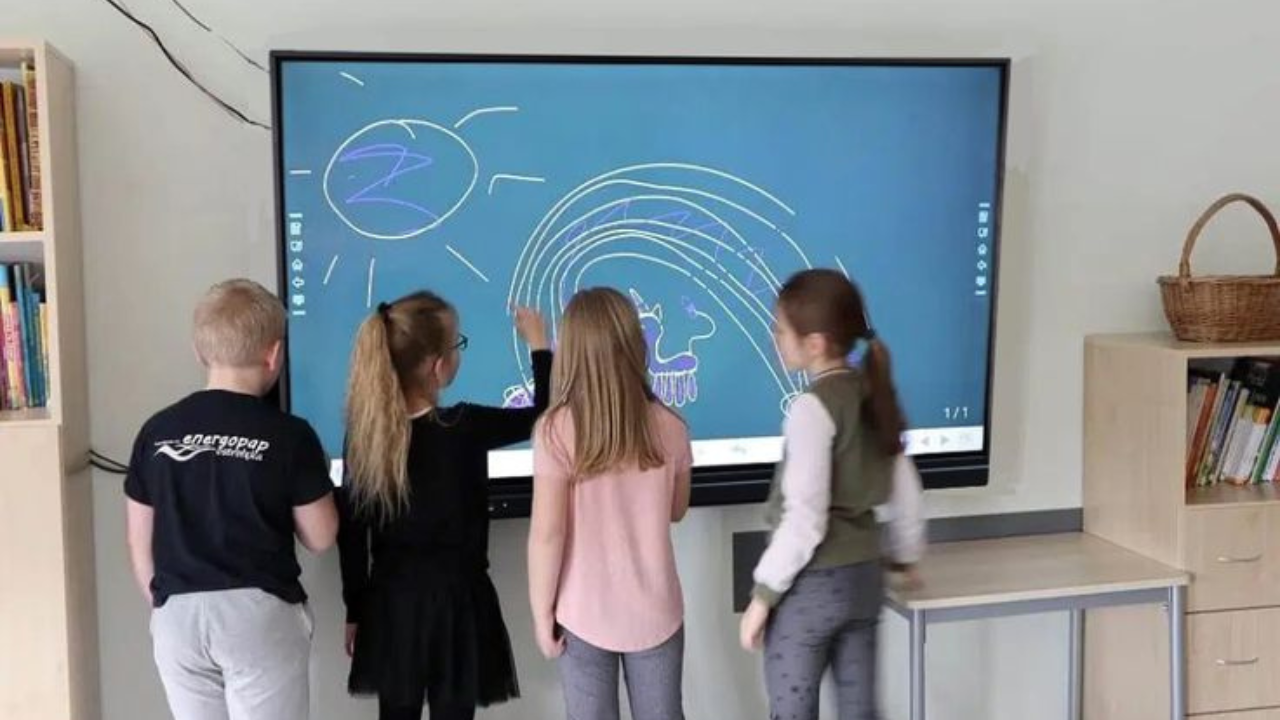
Spring is a season of renewal, blooming flowers, and vibrant energy—perfect for sparking curiosity in young minds through STEM (Science, Technology, Engineering, and Math) projects. Whether you’re a teacher looking to bring hands-on learning to your classroom or a parent eager to engage your kids at home, these 14 spring-themed STEM projects for K-12 students will inspire creativity and critical thinking. From building solar-powered gadgets to exploring the science of seed germination, these activities are fun, educational, and tied to the wonders of spring.
Projects for Grades K-5
1. Butterfly Life Cycle Model (K-2)
- Objective: Learn about the butterfly life cycle through a hands-on craft.
- Materials: Paper plates, pasta (different shapes), paint, glue, markers.
- Instructions:
- Divide a paper plate into four sections, labeling each: egg, caterpillar, chrysalis, butterfly.
- Glue small round pasta (eggs), spiral pasta (caterpillar), shell pasta (chrysalis), and bowtie pasta (butterfly) in the respective sections.
- Paint or color the pasta to resemble each stage.
- Discuss the metamorphosis process.
- STEM Connection: Biology—understanding life cycles and metamorphosis.
- Why It’s Fun: Kids love the tactile experience of gluing and painting while learning about nature.
2. Spring Flower Dissection (Grades 2-4)
- Objective: Explore plant anatomy by dissecting a flower.
- Materials: Fresh flowers (e.g., daisies or tulips), magnifying glass, tweezers, paper, tape.
- Instructions:
- Carefully pull apart a flower, identifying parts like petals, stamens, pistil, and sepals.
- Use a magnifying glass to observe details.
- Tape parts onto paper and label them.
- Discuss each part’s role in plant reproduction.
- STEM Connection: Botany—plant structure and reproduction.
- Why It’s Fun: Dissecting flowers feels like a mini science adventure.
3. Wind-Powered Pinwheels (Grades 3-5)
- Objective: Build a pinwheel to explore wind energy.
- Materials: Square paper, straw, pin, scissors, pencil.
- Instructions:
- Cut a square of paper and fold it diagonally both ways to find the center.
- Cut along each diagonal, stopping 1 inch from the center.
- Fold every other corner to the center and secure with a pin through a straw.
- Test the pinwheel outside on a breezy spring day.
- STEM Connection: Engineering—understanding wind energy and mechanical design.
- Why It’s Fun: Watching the pinwheel spin in the wind is endlessly satisfying.
4. Egg Drop Challenge (Grades 4-5)
- Objective: Design a structure to protect an egg from a drop, inspired by spring’s egg-laying season.
- Materials: Raw eggs, straws, tape, cotton balls, paper, string.
- Instructions:
- Provide students with materials and 20 minutes to build a protective structure.
- Drop each structure from a height (e.g., 6 feet) and check if the egg survives.
- Discuss why some designs worked better.
- STEM Connection: Engineering—structural design and material properties.
- Why It’s Fun: The suspense of the drop and the thrill of a surviving egg keep kids engaged.
Projects for Grades 6-8
5. Solar Oven S’mores (Grades 6-8)
- Objective: Build a solar oven to harness spring sunlight.
- Materials: Pizza box, aluminum foil, plastic wrap, black paper, tape, graham crackers, marshmallows, chocolate.
- Instructions:
- Line the inside of a pizza box with foil and black paper.
- Cover the box’s flap opening with plastic wrap to trap heat.
- Place s’mores ingredients inside and set the oven in direct sunlight.
- Adjust the flap to reflect sunlight and check after 30-60 minutes.
- STEM Connection: Physics—solar energy and heat transfer.
- Why It’s Fun: Eating s’mores made with solar power is a delicious reward.
6. Rain Gauge (Grades 6-7)
- Objective: Measure spring rainfall with a homemade gauge.
- Materials: Clear plastic bottle, ruler, marker, pebbles.
- Instructions:
- Cut the top off a plastic bottle and invert it to create a funnel.
- Add pebbles to the bottom for stability.
- Mark measurements (e.g., centimeters) on the side with a ruler.
- Place outside during a spring shower and record rainfall.
- STEM Connection: Meteorology—measuring precipitation and weather patterns.
- Why It’s Fun: Kids enjoy tracking real-world weather data.
7. Seed Germination Experiment (Grades 6-8)
- Objective: Investigate factors affecting seed germination.
- Materials: Bean seeds, ziplock bags, paper towels, water, vinegar, salt.
- Instructions:
- Place a damp paper towel and a seed in each bag.
- Create variations: one with water, one with vinegar, one with saltwater.
- Observe and record germination over a week.
- Discuss how pH and salinity affect plant growth.
- STEM Connection: Biology—plant growth and environmental factors.
- Why It’s Fun: Watching seeds sprout is like witnessing a tiny miracle.
8. Kite Engineering (Grades 7-8)
- Objective: Design and fly a kite to explore aerodynamics.
- Materials: Plastic bags, straws, string, tape, scissors.
- Instructions:
- Build a kite frame with straws in a diamond shape.
- Cover with a plastic bag and attach a string tail.
- Test the kite outdoors and adjust for balance.
- STEM Connection: Engineering—aerodynamics and structural stability.
- Why It’s Fun: Flying a self-made kite is a classic spring thrill.
Projects for Grades 9-12
9. Hydroponic Herb Garden (Grades 9-10)
- Objective: Build a hydroponic system for growing spring herbs.
- Materials: Plastic bottles, cotton wicks, nutrient solution, herb seeds (e.g., basil).
- Instructions:
- Cut a plastic bottle in half and invert the top to hold a wick.
- Fill the bottom with nutrient solution and place the top so the wick touches the liquid.
- Plant seeds in the top section with a growing medium (e.g., cotton).
- Monitor growth over weeks.
- STEM Connection: Biology—hydroponics and plant nutrition.
- Why It’s Fun: Growing edible herbs without soil feels futuristic.
10. Weather Station (Grades 9-11)
- Objective: Create a mini weather station to monitor spring conditions.
- Materials: Arduino, temperature sensor, humidity sensor, anemometer kit, breadboard.
- Instructions:
- Connect sensors to an Arduino and program it to collect data.
- Place the station outside and record temperature, humidity, and wind speed.
- Analyze data to identify spring weather patterns.
- STEM Connection: Technology—programming and data collection.
- Why It’s Fun: Teens love the techy vibe of building their own gadget.
11. Compost Chemistry (Grades 10-12)
- Objective: Analyze the chemistry of composting organic spring waste.
- Materials: Compost bin, food scraps, leaves, pH strips, thermometer.
- Instructions:
- Set up a small compost bin with food scraps and yard waste.
- Measure temperature and pH weekly to track decomposition.
- Discuss the role of microbes and chemical reactions.
- STEM Connection: Chemistry—decomposition and nutrient cycling.
- Why It’s Fun: It’s satisfying to turn waste into something useful.
12. Bridge Building Challenge (Grades 10-12)
- Objective: Construct a strong bridge inspired by spring’s budding structures.
- Materials: Popsicle sticks, glue, string, weights.
- Instructions:
- Build a bridge spanning 12 inches using only popsicle sticks and glue.
- Test its strength by adding weights until it breaks.
- Analyze design flaws and improve.
- STEM Connection: Engineering—structural integrity and load distribution.
- Why It’s Fun: The competition to build the strongest bridge is a crowd-pleaser.
13. Solar-Powered Charger (Grades 11-12)
- Objective: Create a solar charger for small devices.
- Materials: Small solar panel, battery pack, USB charging circuit, wires.
- Instructions:
- Connect a solar panel to a battery pack via a charging circuit.
- Test by charging a phone in spring sunlight.
- Discuss solar energy efficiency.
- STEM Connection: Physics—renewable energy and circuits.
- Why It’s Fun: Powering a phone with sunlight feels like a superpower.
14. Pollinator Robot (Grades 11-12)
- Objective: Build a robot that mimics pollinator behavior.
- Materials: Arduino, servo motors, small brush, wheels, sensors.
- Instructions:
- Program an Arduino-powered robot to move toward “flowers” (colored targets) and brush them to simulate pollination.
- Use sensors to detect targets.
- Test and refine the robot’s accuracy.
- STEM Connection: Robotics—programming and biomimicry.
- Why It’s Fun: Creating a nature-inspired robot is both challenging and rewarding.
Why Spring STEM Matters
These projects do more than entertain—they connect students to the natural world, foster problem-solving, and build skills for future careers. Spring’s themes of growth and renewal make it an ideal time to explore STEM, as students can observe real-world phenomena like blooming plants or changing weather. By engaging in hands-on activities, K-12 learners develop a deeper appreciation for science and technology while having fun.
Encourage students to adapt these projects, ask questions, and experiment further. Whether they’re crafting a pinwheel or programming a robot, they’re building confidence and curiosity—qualities that will serve them well beyond the classroom.
About the Author
Written by Forest Haven
Forest Haven is a passionate educator and writer at foresthaven.space, where they share creative ideas for learning and living sustainably. When not crafting STEM projects, Forest enjoys experimenting with farm-to-table cuisine, blending fresh spring ingredients into wholesome dishes.
Favorite Cuisine: Seasonal vegetarian dishes with herbs from their hydroponic garden.
Keywords: STEM education, spring projects, K-12 learning, hands-on science, educational activities.