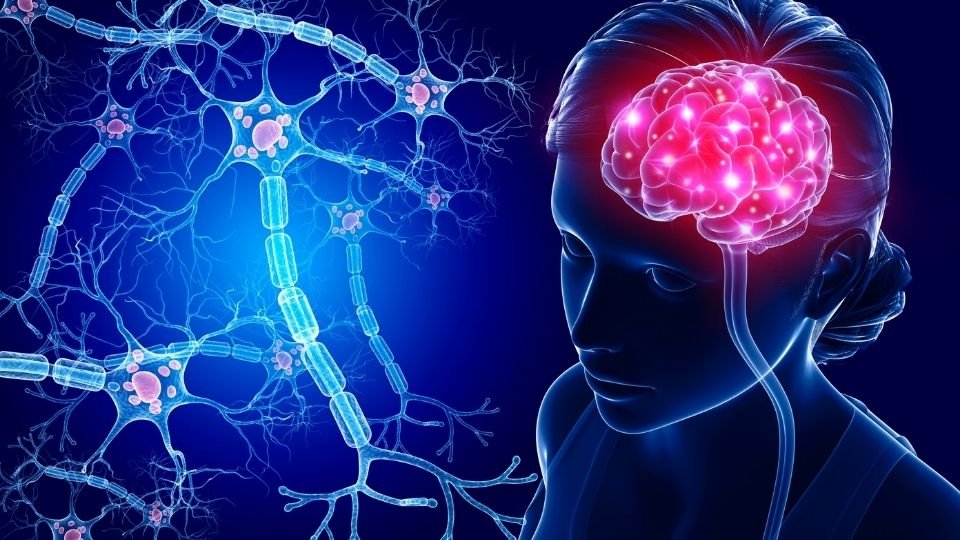
Learning a new language is like embarking on a thrilling adventure for your mind. It’s not just about picking up new words or mastering tricky grammar—it’s a full-on workout for your brain that brings unexpected rewards. From boosting memory to fostering creativity, the cognitive perks of language learning are backed by science and enriched by real-life experiences. In this article, we’ll dive into 11 surprising ways learning a new language can transform your brain, enhance your life, and open doors to new opportunities. Whether you’re dreaming of fluency in Spanish, tackling Mandarin, or brushing up on French, these benefits will inspire you to take the plunge.
Why Language Learning Is a Brain Game-Changer
Language learning is more than a practical skill—it’s a mental marathon that reshapes how your brain operates. Studies show that engaging with a new language strengthens neural connections, enhances cognitive flexibility, and even alters brain structure. It’s like giving your mind a gym membership with lifelong benefits.
The Science Behind It
When you learn a language, your brain forms new neural pathways, particularly in areas like the hippocampus and prefrontal cortex. These regions handle memory, decision-making, and problem-solving. Research from Cambridge University highlights that bilingual individuals have denser grey matter, meaning more neurons and connections, which supercharge cognitive abilities.
A Personal Connection
I remember my struggle with Italian during a summer in Rome. The chaos of verb conjugations felt like wrestling a mental octopus, but each small victory—like ordering gelato without a hitch—felt like a brainpower boost. That’s the magic of language learning: it’s tough, but the rewards are worth it.
1. Boosts Memory and Retention
Learning a new language is like a CrossFit session for your memory. Memorizing vocabulary, grammar rules, and pronunciation strengthens your brain’s ability to retain and recall information, with effects that spill over into everyday life.
How It Works
The hippocampus, your brain’s memory hub, gets a serious workout when you learn new words and phrases. Studies show bilingual individuals have better working memory, which helps with everything from remembering names to juggling daily tasks.
Real-Life Impact
Imagine acing a presentation because you recalled key points effortlessly or never forgetting a grocery list again. Language learning trains your brain to store and retrieve information more efficiently, making you sharper in all areas of life.
2. Enhances Cognitive Flexibility
Switching between languages is like mental gymnastics, and it makes your brain more adaptable. Cognitive flexibility—the ability to shift between tasks or perspectives—gets a massive boost from language learning.
Why It Matters
Multilingual people excel at adapting to new situations because their brains are trained to toggle between linguistic systems. This skill translates to better problem-solving and creativity in work and life.
A Quick Story
My friend Sarah, who learned Japanese in her 30s, says it transformed how she tackles challenges. “I used to overthink problems,” she shared, “but now I see multiple angles, like I’m flipping through mental lenses.” That’s cognitive flexibility in action.
3. Delays Cognitive Decline
Want to keep your brain young? Learning a language might be your secret weapon. Research shows bilingualism can delay the onset of dementia and Alzheimer’s by up to five years.
The Protective Effect
The mental effort of managing multiple languages builds cognitive reserves, like a savings account for your brain. This extra “padding” helps protect against age-related decline, keeping your mind sharp longer.
What It Means for You
Picture yourself at 80, still solving puzzles or debating with friends, all because you spent a few years learning German. It’s not just about fluency—it’s about investing in your brain’s future.
4. Improves Multitasking Skills
If you’ve ever juggled a phone call and an email, you know multitasking is tough. Language learning trains your brain to handle multiple tasks at once, making you a pro at mental juggling.
The Brain’s Balancing Act
Switching between languages strengthens your brain’s executive functions, which control attention and task-switching. This translates to better performance in high-pressure situations, like managing a busy workday.
A Practical Example
Think of a bilingual waiter taking orders in two languages while keeping track of tables. That’s the kind of mental agility language learning builds, helping you stay cool under pressure.
5. Sparks Creativity
Learning a new language unlocks new ways of thinking, sparking creativity in unexpected ways. It’s like adding vibrant colors to your mental palette.
How Languages Inspire
Each language has unique structures and expressions, forcing you to think outside your usual framework. This mental stretch fosters innovative ideas and creative problem-solving.
My Experience
When I started learning Arabic, the poetic flow of its script inspired me to try calligraphy. It wasn’t just about words—it was about seeing the world through a new lens, which bled into my writing and art.
6. Enhances Emotional Intelligence
Language learning isn’t just about words; it’s about connecting with people. Bilingualism boosts empathy and cultural understanding, making you better at reading emotions and building relationships.
The Empathy Edge
Navigating a new language often means diving into its culture, which fosters empathy and openness. Studies suggest bilingual people are better at interpreting emotions across cultures, enhancing social bonds.
A Touching Moment
I’ll never forget practicing Portuguese with a Brazilian neighbor. Her stories about Carnival taught me more than grammar—they showed me the heart of her culture, deepening our friendship.
7. Sharpens Focus and Concentration
In a world full of distractions, language learning is like a laser for your focus. The effort of switching languages or decoding new phrases trains your brain to stay locked in.
The Science of Focus
Regularly toggling between languages strengthens your brain’s attention networks, improving concentration and reducing mental fatigue. This skill helps you stay present in any task.
Everyday Benefits
Whether you’re studying for an exam or working on a tight deadline, the focus gained from language learning helps you tune out distractions and get things done.
8. Improves Decision-Making Skills
Believe it or not, speaking a second language can make you a better decision-maker. It helps you approach problems with clarity and rationality.
The Logic Boost
Using a second language creates emotional distance, allowing for more objective decisions. Research shows bilingual people make less biased choices, especially in high-stakes situations.
Real-World Application
Imagine negotiating a deal in Spanish while staying calm and logical. That’s the power of bilingual decision-making—less emotion, more clarity.
9. Increases Grey Matter Density
Learning a language physically changes your brain, increasing the density of grey matter. It’s like bulking up your brain’s muscle mass.
The Brain’s Makeover
MRI studies reveal that bilingual brains have more neurons and connections in key areas, enhancing overall cognitive function. This structural change supports better memory and problem-solving.
Why It’s Cool
Think of it as upgrading your brain’s hardware. The more languages you learn, the more “processing power” you unlock for life’s challenges.
10. Boosts Happiness and Well-Being
Learning a language can make you happier—seriously! It triggers feel-good chemicals in your brain, lifting your mood and reducing stress.
The Dopamine Hit
Mastering new phrases releases dopamine and serotonin, creating a sense of accomplishment and joy. This chemical boost can improve your overall well-being.
A Happy Memory
I still smile thinking about the first time I cracked a joke in French and got laughs from native speakers. That moment of connection was pure joy—and my brain loved it.
11. Enhances Career Opportunities
Language skills aren’t just good for your brain—they’re a career game-changer. In today’s globalized world, bilingualism opens doors to exciting opportunities.
The Professional Edge
Employers value multilingual candidates in fields like business, healthcare, and tech. Being able to communicate across cultures sets you apart in a competitive job market.
A Success Story
My cousin landed a dream job in international marketing because she spoke Mandarin. Her language skills didn’t just impress her boss—they made her indispensable.
Comparing Monolingual vs. Bilingual Brains
| Aspect | Monolingual Brain | Bilingual Brain |
|---|---|---|
| Grey Matter Density | Standard density | Increased density, more neurons |
| Cognitive Flexibility | Limited task-switching ability | Enhanced adaptability and problem-solving |
| Memory Capacity | Baseline memory function | Improved short- and long-term memory |
| Dementia Onset | Earlier risk of cognitive decline | Delayed by up to 5 years |
| Multitasking Skills | Moderate ability to juggle tasks | Superior task-switching and focus |
This table highlights how bilingualism gives your brain a competitive edge, from structural changes to practical skills.
Pros and Cons of Language Learning
Pros
- Cognitive Boost: Enhances memory, focus, and problem-solving.
- Career Advantage: Opens doors to global job opportunities.
- Cultural Connection: Builds empathy and cultural awareness.
- Mental Health: Increases happiness and reduces stress.
- Long-Term Benefits: Delays cognitive decline.
Cons
- Time-Intensive: Requires consistent effort and practice.
- Initial Frustration: Learning curves can feel overwhelming.
- Resource Costs: Apps, classes, or tutors may involve expenses.
While the benefits far outweigh the drawbacks, it’s worth noting that language learning is a commitment—but one that pays off in spades.
People Also Ask (PAA)
How does learning a language affect the brain?
Learning a language strengthens neural pathways, increases grey matter density, and enhances cognitive functions like memory, focus, and problem-solving. It also builds cognitive reserves, delaying conditions like dementia.
Can learning a new language improve memory?
Yes, memorizing vocabulary and grammar activates the hippocampus, boosting both short- and long-term memory. This skill extends to non-language tasks, like remembering daily details.
Does learning a language make you smarter?
While it doesn’t directly raise your IQ, language learning enhances cognitive flexibility, creativity, and decision-making, making you more mentally agile.
Is it too late to learn a new language as an adult?
Not at all! Adults can still gain cognitive benefits from language learning, including improved memory and delayed cognitive decline, regardless of age.
Best Tools for Language Learning
To kickstart your language journey, here are some top tools and resources:
- Duolingo: A free, gamified app perfect for beginners. duolingo.com
- Rosetta Stone: Offers immersive lessons for serious learners. rosettastone.com
- Anki: A flashcard app for memorizing vocabulary. apps.ankiweb.net
- Tandem: Connects you with native speakers for language exchange. tandem.net
- Coursera: Offers structured language courses from top universities. coursera.org
These tools cater to different learning styles, from self-paced apps to interactive exchanges, ensuring you find the perfect fit.
FAQ Section
1. How long does it take to see brain benefits from language learning?
You can notice improvements in memory and focus within a few months of consistent practice. Long-term benefits, like delayed dementia, build over years.
2. Can children and adults benefit equally from language learning?
Yes, both gain cognitive benefits, but children may learn faster due to brain plasticity. Adults still see significant improvements in memory, focus, and creativity.
3. What’s the easiest language to learn for brain benefits?
There’s no “easiest” language, but those closer to your native tongue (e.g., Spanish for English speakers) may be less challenging. The cognitive benefits apply to any language.
4. Do I need to be fluent to get brain benefits?
No, even basic language skills stimulate your brain. The act of learning—memorizing, practicing, and problem-solving—drives the cognitive perks.
5. Can language learning reduce stress?
Yes, the sense of achievement and dopamine release from mastering new skills can boost happiness and lower stress levels.
Where to Start Your Language Learning Journey
Ready to dive in? Start with small, manageable steps. Choose a language that excites you—maybe one tied to a culture you love or a country you want to visit. Set clear goals, like learning 10 new words a day or holding a basic conversation in six months. Use apps like Duolingo for daily practice or join a language exchange on Tandem to connect with native speakers. Local community centers or online platforms like Coursera also offer structured courses. The key is consistency—15 minutes a day can work wonders for your brain.
Conclusion: Unlock Your Brain’s Potential
Learning a new language is more than a skill—it’s a gift to your brain. From sharpening your memory to delaying dementia, the 11 benefits we’ve explored show how transformative this journey can be. It’s not always easy, but the mental, emotional, and professional rewards make every moment worth it. So, pick a language, grab a resource, and start today. Your brain will thank you for years to come.