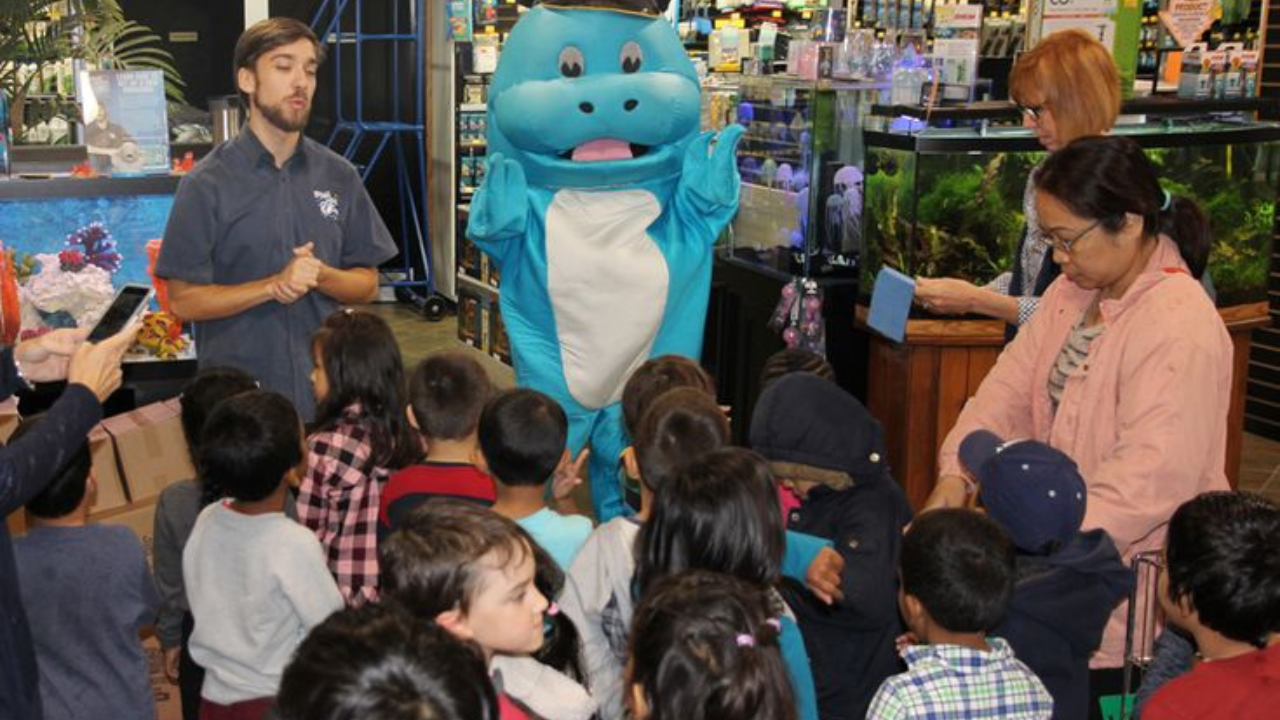
Field trips have long been a cherished part of the educational experience, offering students a chance to step outside the classroom and engage with the world in dynamic ways. These excursions can spark curiosity, deepen understanding, and create lasting memories. However, not all field trips achieve their full potential. A poorly planned trip can feel like a mere break from routine, leaving students disengaged and educators frustrated. To make field trips truly meaningful, educators must approach them with intention, aligning activities with learning goals, fostering active participation, and ensuring inclusivity. This article explores strategies to transform field trips into powerful educational experiences that resonate with students long after they return to the classroom.
The Power of Purposeful Planning
The foundation of a meaningful field trip lies in purposeful planning. Without clear objectives, a trip risks becoming a superficial outing rather than a learning opportunity. Educators should start by identifying specific academic or social-emotional goals. For example, a visit to a history museum might aim to deepen students’ understanding of a particular era, while a trip to a nature reserve could focus on environmental science concepts or teamwork skills.
Once goals are set, the destination should align with them. A science class studying ecosystems would benefit more from a guided tour of a wetland than a generic amusement park visit. Researching the site beforehand is crucial. Many museums, historical sites, and nature centers offer tailored educational programs that align with curriculum standards. For instance, the Smithsonian Institution provides resources for educators to customize visits, ensuring students engage with exhibits in ways that reinforce classroom learning.
Pre-trip preparation also involves priming students for the experience. Teachers can introduce key concepts, historical context, or scientific principles in class to provide a framework for what students will encounter. For a trip to an art gallery, students might explore different art movements or analyze sample works beforehand. This scaffolding helps students approach the trip with curiosity and purpose, making connections between the classroom and the real world.
Engaging Students Actively
A field trip’s success hinges on student engagement. Passive experiences, like listening to a lengthy lecture at a museum, can lead to boredom and missed opportunities. Instead, trips should incorporate active learning strategies that encourage students to interact with their surroundings.
One effective approach is to use inquiry-based activities. For example, during a visit to a botanical garden, students could be given a scavenger hunt to identify specific plant adaptations, prompting them to observe closely and ask questions. Similarly, a trip to a historical site might include a role-playing activity where students reenact events or debate perspectives from the past. These hands-on tasks make the experience memorable and encourage critical thinking.
Technology can also enhance engagement. Apps like Google Lens can help students identify plants or artifacts in real time, while platforms like Padlet allow them to document observations collaboratively. For older students, creating short videos or blog posts about their experience can deepen reflection and provide a creative outlet. However, technology should complement, not dominate, the experience—students should spend most of their time interacting with the environment, not their screens.
Another way to boost engagement is to involve students in planning. Allowing them to vote on destinations or suggest activities fosters a sense of ownership. For instance, a class studying marine biology might choose between a tide pool exploration or an aquarium visit. When students feel their voices matter, they’re more likely to invest in the experience.
Fostering Inclusivity and Accessibility
For field trips to be meaningful for all students, they must be inclusive and accessible. This requires careful consideration of physical, financial, and cultural barriers. Educators should choose venues that accommodate students with mobility challenges, sensory sensitivities, or other needs. For example, many museums now offer sensory-friendly hours or virtual tours for students who might find in-person visits overwhelming.
Financial barriers can also exclude students from participating. Schools should explore funding options, such as grants, PTA support, or partnerships with local organizations, to cover costs like transportation or admission fees. Transparent communication with families about costs and available support can prevent any student from feeling left out.
Cultural inclusivity is equally important. Field trip destinations and activities should reflect the diverse backgrounds of the student body. A trip to a cultural heritage museum, for instance, can validate students’ identities and broaden their peers’ perspectives. Educators should also be mindful of language barriers, ensuring that materials or guides are available in students’ native languages when possible.
Connecting to the Curriculum
A meaningful field trip doesn’t end when the bus returns to school. To maximize impact, educators must integrate the experience into the curriculum. Post-trip activities can help students process what they’ve learned and apply it to their studies. For example, after visiting a science center, students might write a lab report analyzing an exhibit on renewable energy. Alternatively, a trip to a theater performance could inspire a creative writing assignment or a discussion about literary themes.
Reflection is a powerful tool for cementing learning. Teachers can facilitate discussions or journaling sessions where students share their favorite moments, surprises, or questions. For younger students, drawing pictures of what they saw can spark conversation. These activities help students articulate their experiences and connect them to broader concepts.
Field trips can also inspire long-term projects. A visit to a local farm might lead to a class garden project, while a trip to a courthouse could spark a mock trial unit. By weaving the trip into ongoing learning, educators ensure that its lessons endure.
Building Social and Emotional Skills
Beyond academic benefits, field trips offer opportunities to develop social and emotional skills. Group activities, like navigating a museum in teams or collaborating on a project, foster communication and cooperation. For students who struggle in traditional classroom settings, field trips can provide a fresh environment to shine, boosting their confidence.
To nurture these skills, educators should set clear expectations for behavior and teamwork before the trip. Structured activities, like assigning roles (e.g., note-taker, photographer, or group leader), can help students work together effectively. Debriefing after the trip allows students to reflect on how they collaborated and what they learned about themselves or others.
Field trips also expose students to new perspectives, fostering empathy and cultural awareness. Visiting a community center or historical site can prompt discussions about social issues, encouraging students to think critically about their world. These experiences can shape students into thoughtful, compassionate individuals.
Overcoming Common Challenges
Despite their benefits, field trips come with challenges. Logistical issues, like coordinating transportation or securing chaperones, can be daunting. Schools can address this by establishing clear protocols, such as a checklist for trip organizers or a pool of trained volunteers. Partnering with local businesses or community groups can also provide resources, like discounted bus services.
Another challenge is maintaining student focus. Large groups or crowded venues can be distracting, especially for younger students. Small group activities, clear instructions, and enthusiastic chaperones can keep students on track. Providing a schedule with designated breaks also helps manage energy levels.
Finally, educators may face pressure to justify field trips in an era of tight budgets and standardized testing. By aligning trips with curriculum standards and documenting their impact—through student work or assessments—teachers can demonstrate their value to administrators and parents.
Creating Lasting Memories
When planned with care, field trips can be transformative. They ignite a passion for learning, broaden horizons, and create memories that students carry into adulthood. A student who marvels at a dinosaur skeleton may dream of becoming a paleontologist. A teenager who debates history at a battlefield may discover a love for civic engagement. These moments of inspiration are the heart of meaningful field trips.
To ensure every trip lives up to its potential, educators, parents, and communities must work together. Schools should invest in professional development to help teachers design impactful trips. Parents can volunteer as chaperones or advocate for funding. Communities can offer accessible, educational venues that welcome students. With this collective effort, field trips can remain a cornerstone of education, enriching students’ lives in ways no textbook ever could.
About the Author
Forest Haven is a passionate educator and writer dedicated to fostering meaningful learning experiences. Through foresthaven.space, they share insights on education, creativity, and sustainable living, inspiring readers to connect with the world around them.
Cuisine
This article pairs well with a fresh, vibrant picnic-inspired meal—think colorful veggie wraps, homemade lemonade, and fruit tarts. Perfect for fueling a day of exploration and learning!
Keywords
Field trips, education, student engagement, active learning, inclusivity, curriculum integration, social-emotional skills, educational planning, experiential learning, StudyNest